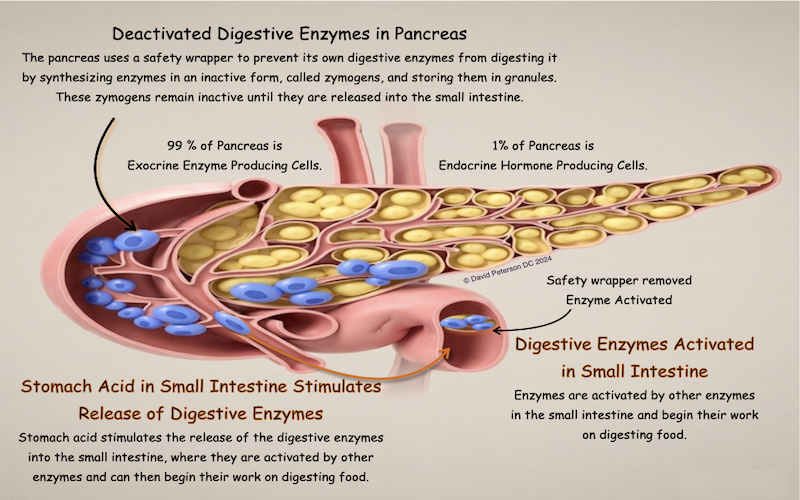
A “fatty pancreas” is the accumulation of fat within the pancreas, also known as pancreatic steatosis or non-alcoholic fatty pancreas disease (NAFPD) when not caused by excessive alcohol use. It is strongly associated with metabolic conditions like obesity, diabetes, and high cholesterol, and may be a risk factor for developing chronic pancreatitis or even pancreatic cancer. 1Silva LLSE, Fernandes MSS, Lima EA, Stefano JT, Oliveira CP, Jukemura J. Fatty Pancreas: Disease or Finding? Clinics (Sao Paulo). 2021 Feb 22;76:e2439.,2Lee JS, Kim SH, Jun DW, Han JH, Jang EC, Park JY, Son BK, Kim SH, Jo YJ, Park YS, Kim YS. Clinical implications of fatty pancreas: correlations between fatty pancreas and metabolic syndrome. World J Gastroenterol. 2009 Apr 21;15(15):1869-75.,3Shah N, Rocha JP, Bhutiani N, Endashaw O. Nonalcoholic Fatty Pancreas Disease. Nutr Clin Pract. 2019 Oct;34 Suppl 1:S49-S56.
Many terms have been used to describe Fatty Pancreas (IPF). There is no standardized nomenclature for this phenomenon; however, the term non-alcoholic fatty pancreas disease (NAFPD) has gained acceptance.4Mathur A, Marine M, Lu D, Swartz-Basile DA, Saxena R, Zyromski NJ, et al. Nonalcoholic fatty pancreas disease. HPB (Oxford) 2007;9(4):312–8.,5Smits MM, Van Geenen EJ. The clinical significance of pancreatic steatosis. Nat Rev Gastroenterol Hepatol. 2011;8(3):169–77. NAFPD is described as a pancreatic steatosis phenotype in the absence of alcohol consumption, viral infections, toxins, or congenital metabolic syndromes and is associated with insulin resistance, malnutrition, obesity, metabolic syndrome, increasing age, pancreatic fibrosis,6Smits MM, Van Geenen EJ. The clinical significance of pancreatic steatosis. Nat Rev Gastroenterol Hepatol. 2011;8(3):169–77. , 7Romana BS, Chela H, Dailey FE, Nassir F, Tahan V. Non-Alcoholic Fatty Pancreas Disease (NAFPD): A Silent Spectator or the Fifth Component of Metabolic Syndrome? A Literature Review. Endocr Metab Immune Disord Drug Targets. 2018;18(6):547–54. and pancreatic cancer.8Stolzenberg-Solomon RZ, Adams K, Leitzmann M, Schairer C, Michaud DS, Hollenbeck A, et al. Adiposity, physical activity, and pancreatic cancer in the National Institutes of Health-AARP Diet and Health Cohort. Am J Epidemiol. 2008;167(5):586–97.
Risk factors include being male, over 35, having high blood pressure, or having high blood glucose and triglyceride levels. High levels of triglyceride and free fatty acids causes abnormal fat deposition in the liver, heart, muscles, and pancreas. This is called steatosis and is known to be related to obesity and/or insulin resistance.9Yin W, Liao D, Kusunoki M, Xi S, Tsutsumi K, Wang Z, Lian X, Koike T, Fan J, Yang Y, et al. NO-1886 decreases ectopic lipid deposition and protects pancreatic beta cells in diet-induced diabetic swine. J Endocrinol. 2004;180:399–408.
Causes and risk factors
- Metabolic syndrome: Obesity, high blood pressure, high triglycerides, high cholesterol, and type 2 diabetes are strongly linked to fatty pancreas. 10Silva LLSE, Fernandes MSS, Lima EA, Stefano JT, Oliveira CP, Jukemura J. Fatty Pancreas: Disease or Finding? Clinics (Sao Paulo). 2021 Feb 22;76:e2439.,11Lesmana, C.R.A., Pakasi, L.S., Inggriani, S. et al. Prevalence of Non-Alcoholic Fatty Pancreas Disease (NAFPD) and its risk factors among adult medical check-up patients in a private hospital: a large cross sectional study. BMC Gastroenterol 15, 174 (2015).
- Age: The prevalence of pancreatic fat increases with age.12Mahyoub MA, Elhoumed M, Maqul AH, Almezgagi M, Abbas M, Jiao Y, Wang J, Alnaggar M, Zhao P, He S. Fatty infiltration of the pancreas: a systematic concept analysis. Front Med (Lausanne). 2023 Sep 22;10:1227188.
- Other conditions: Fatty pancreas is also associated with non-alcoholic fatty liver disease (NAFLD) and can lead to or be a sign of chronic pancreatitis.13Silva LLSE, Fernandes MSS, Lima EA, Stefano JT, Oliveira CP, Jukemura J. Fatty Pancreas: Disease or Finding? Clinics (Sao Paulo). 2021 Feb 22;76:e2439.,14Shah, N., Rocha, J.P., Bhutiani, N. and Omer, E. (2019), Nonalcoholic Fatty Pancreas Disease. Nutrition in Clinical Practice, 34: S49-S56.
Symptoms
- Often, there are no specific symptoms. The condition is frequently found during imaging for other reasons. 15Lesmana, C.R.A., Pakasi, L.S., Inggriani, S. et al. Prevalence of Non-Alcoholic Fatty Pancreas Disease (NAFPD) and its risk factors among adult medical check-up patients in a private hospital: a large cross sectional study. BMC Gastroenterol 15, 174 (2015).,16Lipp M, Tarján D, Lee J, Zolcsák Á, Szalai E, Teutsch B, Faluhelyi N, Erőss B, Hegyi P, Mikó A. Fatty Pancreas Is a Risk Factor for Pancreatic Cancer: A Systematic Review and Meta-Analysis of 2956 Patients. Cancers (Basel).
- When symptoms are present, they can overlap with those of chronic pancreatitis and include:
- Upper abdominal pain
- Pain that worsens after eating
- Unexplained weight loss
- Diarrhea
- Oily, foul-smelling stools
Potential Complications of Fatty Pancreas (NAFPD)
- Progressive Pancreatic Damage and Late Diagnosis
Because fatty pancreas is often asymptomatic in early stages, pancreatic dysfunction can be overlooked by doctors until 80–95% of the organ is damaged or fibrosed. By the time symptoms appear, significant and sometimes irreversible loss of pancreatic function (both exocrine and endocrine) has already occurred. - Worsening Insulin Resistance and Type 2 Diabetes
Fat accumulation in the pancreas impairs beta-cell function and worsens insulin resistance. This is frequently missed or misdiagnosed as hypothyroidism. If insulin resistance is not addressed early through lifestyle changes or natural interventions, it often progresses to full-blown type 2 diabetes — essentially the “end stage” of long-standing pancreatic steatosis. - Exocrine Pancreatic Insufficiency (EPI) Due to Low Stomach Acid and Trapped Enzymes
Chronic use of antacids and proton-pump inhibitors (PPIs) reduces stomach acid. Adequate stomach acidity is required to trigger the release of pancreatic enzymes in the small intestine. When enzymes remain trapped inside the pancreas, they can activate prematurely, leading to autodigestion, inflammation, and accelerating fatty replacement and fibrosis. - Chronic Pancreatitis
Long-standing fatty infiltration promotes chronic low-grade inflammation, scarring (fibrosis), and eventual destruction of normal pancreatic tissue, resulting in chronic pancreatitis with persistent pain, malabsorption, and steatorrhea (oily, foul-smelling stools). - Increased Risk of Pancreatic Cancer
Multiple studies show that fatty pancreas is an independent risk factor for pancreatic adenocarcinoma. The exact mechanism is still under investigation, but chronic inflammation, oxidative stress, and altered beta-cell function in a lipid-rich environment appear to play a role. - Malabsorption and Nutritional Deficiencies
Damage to the exocrine pancreas reduces digestive enzyme output, leading to poor absorption of fats and fat-soluble vitamins (A, D, E, K), weight loss, diarrhea, and deficiencies that further worsen metabolic health. - Cardiovascular and Metabolic Complications
Since fatty pancreas almost always coexists with metabolic syndrome, NAFLD, high triglycerides, and obesity, patients face elevated risks of heart disease, stroke, and other obesity-related conditions.
Diagnosis
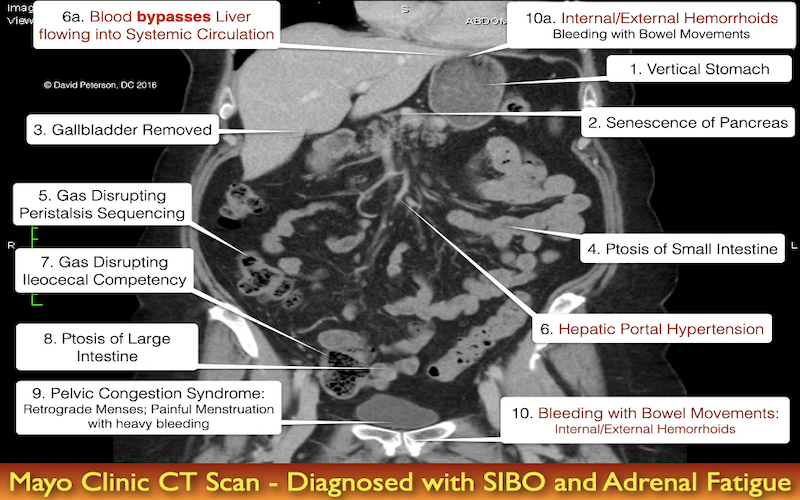
- Imaging: Fatty pancreas is difficult to identify through imaging tests like an ultrasound, due to the pancreas being so deep in the abdomen. A CT or MRI would be best choices. Unfortunately, Doctor ignore Pancreate distress, dysfunction and disease becaue there are so many other conditions to precribe medications for.
- Biochemical tests: Blood tests can reveal the associated metabolic risk factors, such as high blood sugar, triglycerides, and cholesterol levels.
Don’t wait for 90–95 % of your pancreas to be destroyed.
Catch hidden pancreas damage early with the BioScreen Sustain Max – the most comprehensive pancreatic function panel available.
🛡Direct markers of pancreatic insufficiency
🛡Analyze the Pancreas, Pancreas Head, Pancreas Body, Pancreas Tail, Spleen
🛡 Detects dysfunction years before diabetes or severe pain begins
Order your BioScreen Sustain Max Consultation + Lab Test today and know the true health of your pancreas — while there’s still time to protect it.
Click here to book your consultation and test kit now
(Results reviewed with a pancreas-specialized clinician Dr. Dave)

Lab-to-Life Reset with Bio-Screen Sustain Max Lab Test
Brand: LabCorp, Principal Labs, HyrSelf
- 🔬Bio-Screen Sustain Max offer? $205.76 Value
- 📊 Functional Organ Systems Report: $300 Value
- 🩺 Blood Test Analysis:** $150 Value
Fatty Liver Conditions
- What Is Fatty Liver?
- Best Fatty Liver Support
- Best Lab Tests for Fatty Liver
- Portal Hypertension
- Non-Alcholic Fatty Liver
- Insulin Resistance | PreDiabetes
References
- 1Silva LLSE, Fernandes MSS, Lima EA, Stefano JT, Oliveira CP, Jukemura J. Fatty Pancreas: Disease or Finding? Clinics (Sao Paulo). 2021 Feb 22;76:e2439.
- 2Lee JS, Kim SH, Jun DW, Han JH, Jang EC, Park JY, Son BK, Kim SH, Jo YJ, Park YS, Kim YS. Clinical implications of fatty pancreas: correlations between fatty pancreas and metabolic syndrome. World J Gastroenterol. 2009 Apr 21;15(15):1869-75.
- 3Shah N, Rocha JP, Bhutiani N, Endashaw O. Nonalcoholic Fatty Pancreas Disease. Nutr Clin Pract. 2019 Oct;34 Suppl 1:S49-S56.
- 4Mathur A, Marine M, Lu D, Swartz-Basile DA, Saxena R, Zyromski NJ, et al. Nonalcoholic fatty pancreas disease. HPB (Oxford) 2007;9(4):312–8.
- 5Smits MM, Van Geenen EJ. The clinical significance of pancreatic steatosis. Nat Rev Gastroenterol Hepatol. 2011;8(3):169–77.
- 6Smits MM, Van Geenen EJ. The clinical significance of pancreatic steatosis. Nat Rev Gastroenterol Hepatol. 2011;8(3):169–77.
- 7Romana BS, Chela H, Dailey FE, Nassir F, Tahan V. Non-Alcoholic Fatty Pancreas Disease (NAFPD): A Silent Spectator or the Fifth Component of Metabolic Syndrome? A Literature Review. Endocr Metab Immune Disord Drug Targets. 2018;18(6):547–54.
- 8Stolzenberg-Solomon RZ, Adams K, Leitzmann M, Schairer C, Michaud DS, Hollenbeck A, et al. Adiposity, physical activity, and pancreatic cancer in the National Institutes of Health-AARP Diet and Health Cohort. Am J Epidemiol. 2008;167(5):586–97.
- 9Yin W, Liao D, Kusunoki M, Xi S, Tsutsumi K, Wang Z, Lian X, Koike T, Fan J, Yang Y, et al. NO-1886 decreases ectopic lipid deposition and protects pancreatic beta cells in diet-induced diabetic swine. J Endocrinol. 2004;180:399–408.
- 10Silva LLSE, Fernandes MSS, Lima EA, Stefano JT, Oliveira CP, Jukemura J. Fatty Pancreas: Disease or Finding? Clinics (Sao Paulo). 2021 Feb 22;76:e2439.
- 11Lesmana, C.R.A., Pakasi, L.S., Inggriani, S. et al. Prevalence of Non-Alcoholic Fatty Pancreas Disease (NAFPD) and its risk factors among adult medical check-up patients in a private hospital: a large cross sectional study. BMC Gastroenterol 15, 174 (2015).
- 12Mahyoub MA, Elhoumed M, Maqul AH, Almezgagi M, Abbas M, Jiao Y, Wang J, Alnaggar M, Zhao P, He S. Fatty infiltration of the pancreas: a systematic concept analysis. Front Med (Lausanne). 2023 Sep 22;10:1227188.
- 13Silva LLSE, Fernandes MSS, Lima EA, Stefano JT, Oliveira CP, Jukemura J. Fatty Pancreas: Disease or Finding? Clinics (Sao Paulo). 2021 Feb 22;76:e2439.
- 14Shah, N., Rocha, J.P., Bhutiani, N. and Omer, E. (2019), Nonalcoholic Fatty Pancreas Disease. Nutrition in Clinical Practice, 34: S49-S56.
- 15Lesmana, C.R.A., Pakasi, L.S., Inggriani, S. et al. Prevalence of Non-Alcoholic Fatty Pancreas Disease (NAFPD) and its risk factors among adult medical check-up patients in a private hospital: a large cross sectional study. BMC Gastroenterol 15, 174 (2015).
- 16Lipp M, Tarján D, Lee J, Zolcsák Á, Szalai E, Teutsch B, Faluhelyi N, Erőss B, Hegyi P, Mikó A. Fatty Pancreas Is a Risk Factor for Pancreatic Cancer: A Systematic Review and Meta-Analysis of 2956 Patients. Cancers (Basel).