| Benefits |
– Comprehensive insight – Evaluates 150+ biomarkers including 40 amino acids, vitamins, and toxins
– Hidden deficiency detection – Identifies subtle nutrient imbalances before clinical symptoms appear
– Personalized recommendations – Receive tailored supplement and lifestyle guidance with results
– Convenient home testing – No doctor visit required; includes prepaid shipping
– Chronic condition support – Helps address underlying nutritional factors in persistent symptoms
– Baseline and monitoring – Perfect for tracking progress during treatment interventions
|
| Who Is This Test For? |
– People with chronic fatigue or unexplained persistent symptoms
– Individuals managing digestive issues, mood disorders, or migraines
– Those seeking to optimize athletic performance or overall wellness
– Anyone wanting a comprehensive nutritional baseline before treatment
– People with cardiovascular risk factors requiring metabolic assessment
– Individuals interested in proactive health management and prevention
|
| Why Your Doctor Might Miss the Full Story in Your Lab Results |
Imagine going to the doctor feeling wiped out, with weird gut issues or mood dips that just won't quit. They order some blood and urine tests, and a week later, you get a report saying "everything's normal." But deep down, you know something's off. It turns out, this isn't always because your doc is slacking—it's often because doctors aren't trained like detectives to dig into the nitty-gritty of lab data. Instead, they lean on the lab companies to spoon-feed them the highlights, and those highlights? They're like the cliff notes version: basic, safe, and meant for the masses. Let's break it down simply, step by step.
|
| Medical School Skips the Lab Detective Class |
Think of med school like boot camp: it's intense, cramming anatomy, diseases, drugs, and surgeries into a few years. Labs? They're covered, sure—but mostly the "if this number is sky-high or tanked, sound the alarm" basics. Doctors learn to spot red flags like super-low iron (anemia alert!) or sky-high cholesterol (heart risk!). But the subtle stuff? The patterns across dozens of markers that hint at why you're tired all the time? That's not on the exam. It's like teaching someone to drive by only showing them the gas pedal and brakes—no lessons on reading the dashboard gauges or tweaking for fuel efficiency.By the time docs finish residency (another grueling stretch), they're pros at treating symptoms with pills or procedures. Interpreting labs like a puzzle? That's more art than science, and it's not prioritized. Busy practices mean they see 20 patients a day, so who has time for a deep dive?
|
| Labs Do the Heavy Lifting—But Only the Easy Parts |
Enter the lab companies (think big names like Quest or Genova). When your sample arrives, their machines spit out raw numbers on vitamins, hormones, toxins, and more. But docs don't get a wall of data—they get a polished report with "reference ranges" (normal vs. abnormal boxes) and maybe a one-liner summary. It's like getting a restaurant menu instead of the whole kitchen recipe book.
These reports are built for speed and simplicity: "Vitamin D low? Take a supplement." Why? Labs serve thousands of doctors, from family practices to specialists, so they aim for the "lowest common denominator"—stuff that's broadly useful but not super personalized. No time for "hey, this combo of markers screams early insulin resistance." It's efficient for the system, but it can gloss over the real gems hidden in the data.
|
| A Real-World Example: The ION Profile Test |
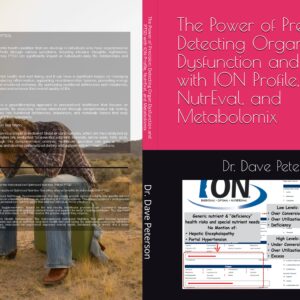
Take the ION Profile (that's "Individual Optimal Nutrition," a blood-and-urine kit from Genova). On the surface, it's marketed as a straightforward "vitamin and mineral deficiency checker." Labs and basic reports hype it for spotting if you're low on B vitamins or magnesium—easy fixes like "eat more greens or pop a pill."
But here's the magic (and the miss): This test scans over 125 markers, including organic acids, amino acids, fatty acids, and toxins. A trained eye can spot way deeper clues:
– Insulin Resistance Sneaking Up: Elevated markers like pyruvate or lactate might flag how your cells aren't using sugar well, a sneaky sign of prediabetes long before blood sugar tests scream it.
– Fatty Liver Brewing: Weird ratios in fatty acids or amino acids can hint at non-alcoholic fatty liver disease—your liver getting clogged with fat from diet or stress—without a biopsy.
– Even PTSD Vibes: Imbalances in neurotransmitters (like low serotonin precursors) or oxidative stress markers can point to trauma's hidden toll on your brain chemistry.
Promoted as "just vitamins"? Nah—it's a window into your whole metabolic engine. But if your doc relies on the lab's cookie-cutter summary, they might say "all good" while you're sitting on these insights. Functional medicine docs or nutritionists, though? They geek out on this stuff, connecting dots for tailored plans like anti-inflammatory diets or stress hacks.
|
| So, What Can You Do About It? |
You're not powerless! Ask your doctor for the full raw report (labs often provide it digitally). Bring it to a functional health pro who treats labs like a story, not a checklist.
Or start simple:
– Track symptoms alongside basics like sleep and diet. The system's geared for quick fixes, but your health? It's worth the extra read-between-the-lines effort.
You've got this—knowledge is the best lab result of all. If you've got a specific test in mind, hit me with details for more breakdowns!
|






Reviews
There are no reviews yet.