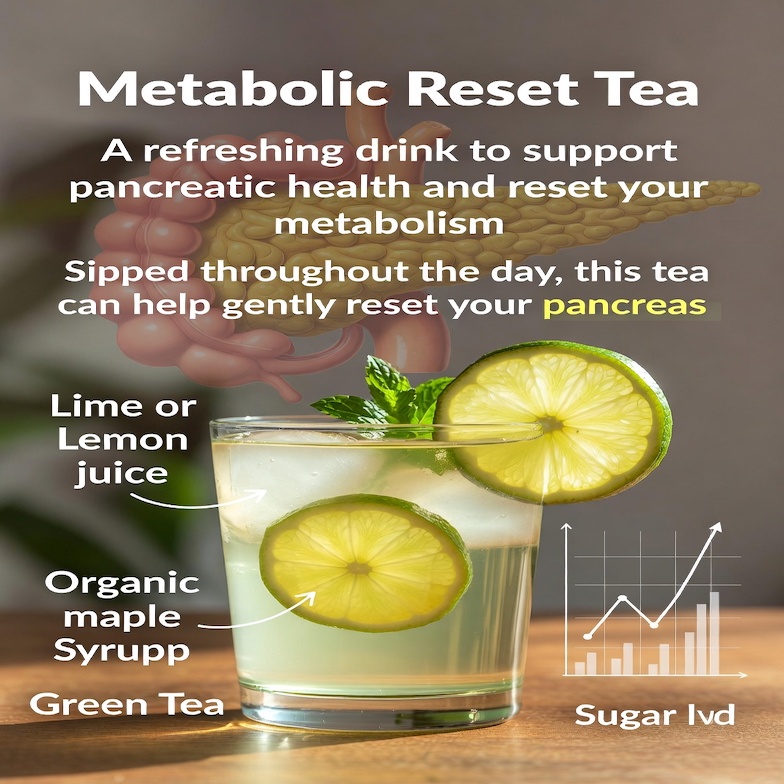
Your pancreas works tirelessly to digest food and regulate blood sugar, but stress from modern diets can lead to metabolic dysfunction, enzyme buildup, and issues like insulin resistance or hypoglycemia unawareness.
Metabolic Reset Tea offers a gentle, natural solution—a refreshing drink crafted from fresh lime or lemon juice, organic Grade B maple syrup, brewed green tea, and optional spices like cinnamon and cayenne. By mimicking stomach acid to release trapped enzymes and providing steady energy without solid food, this tea gives your pancreas a much-needed rest, helping clear blockages, stabilize blood sugar, and potentially reverse impaired hypoglycemic responses over time. Easy to customize and sip frequently throughout the day, it’s a simple step toward better digestion and metabolic balance.
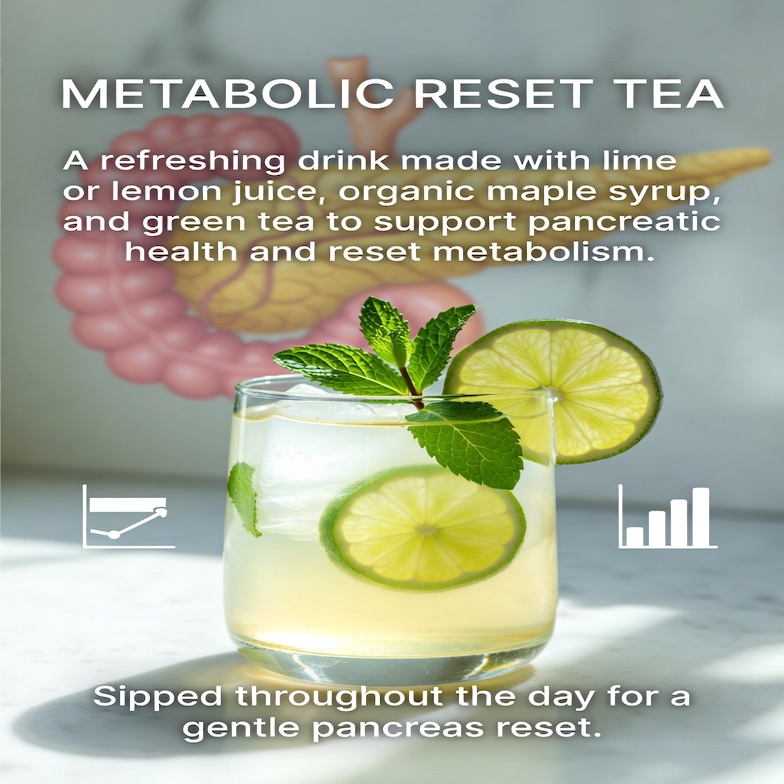
Metabolic Reset Tea
Your pancreas works tirelessly to digest food and regulate blood sugar, but stress from modern diets can lead to metabolic dysfunction, enzyme buildup, and issues like insulin resistance or hypoglycemia unawareness.
Understanding and Supporting Metabolic Dysfunction / Pancreatic Health with Metabolic Reset Tea
The pancreas is a vital organ in your body that plays two main roles: it helps digest food (exocrine function; 99% of pancreas) and regulates blood sugar levels (endocrine function; 1% of pancreas). However, sometimes the pancreas can get a bit overworked, leading to problems with both digestion and blood sugar control. The good news is that there’s a simple way to give your pancreas a break and help it get back on track: Metabolic Reset Tea.
What’s Happening Inside Your Body?
When you eat, your stomach produces acid to help break down food. As this acidified food moves into the small intestine, it signals the pancreas to release important juices and enzymes. These enzymes are like little helpers that break down food further so your body can absorb nutrients.
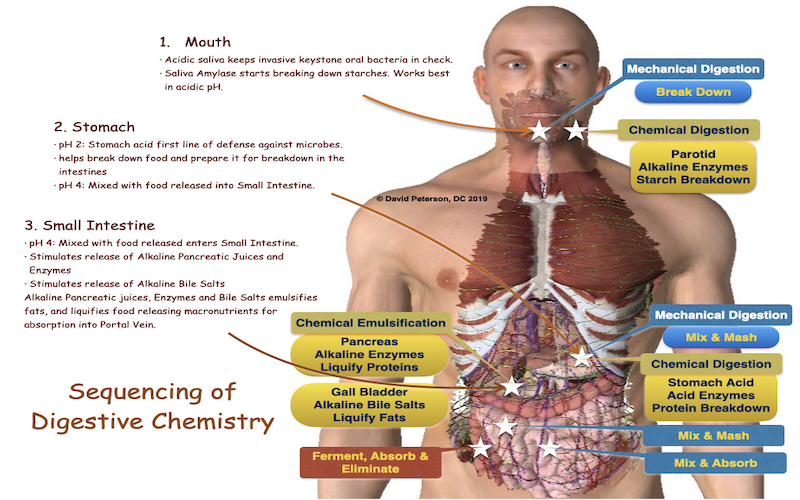
But here’s the catch: if the acid doesn’t reach the small intestine properly, those enzymes can get stuck in the pancreas. If they’re stuck for too long, they might activate inside the pancreas instead of the intestine. This is a problem because these enzymes can start digesting the pancreas itself, leading to damage. When this happens, the pancreas can’t produce the right amount of insulin and glucagon, which are hormones that regulate blood sugar. Over time, this can lead to issues with your metabolism and blood sugar levels.
How Metabolic Reset Tea Can Help
Metabolic Reset Tea is designed to help “reset” your Metabolism and pancreas by supporting both its digestive and blood sugar-regulating functions. The tea is made from simple, natural ingredients that work together to mimic the stomach acid’s role in triggering the release of pancreatic juices. Here’s how each ingredient helps:
- Lime/Lemon Juice or Apple Cider Vinegar: These acidic ingredients mimic the stomach acid, helping to trigger the release of trapped pancreatic enzymes. This process helps clear out the pancreas and prevents those enzymes from causing damage.
- Organic Maple Syrup (Grade B): This natural sweetener is used to balance the sourness of the lime or lemon juice. This Maple syrup also provides stabilization of your blood sugar with this fast. Grade B maple syrup is recommended because it’s less processed and richer in minerals.
- Green Tea: Green tea has numerous health benefits, including aiding in metabolism. You can add it to the mixture for an extra boost.
- Cinnamon and Cayenne Powder: These spices can be added for flavor and additional health benefits, such as improved circulation and blood sugar regulation.
Recipe
Your drink is made-up of freshly squeezed lime and/or lemon with the pulp, water, organic maple syrup (grade B is preferred), and brewed green tea.
- Exact proportions are not critical.
- Can be iced, room temperature or hot.
- You can make the drink as sour or diluted as you would like.
- You must take sips of the drink as frequent as every 15 minutes throughout the day.
- Exact timing of the sips are not critical.
- It is important to know you will drink and urinate all day.
If you are taking sips all day, you should be able to stabilize your blood sugar without any foods. If you become hungry, you are allowed to eat food,
The limitation of food is important because you are trying to decrease the antigen (foreign compound) load to your immune system. Many individuals that have their neuroendocrine-immune system overactive are usually sensitive to the foods that you eat most often.
How to Use Metabolic Reset Tea
To give your pancreas the break it needs, you’ll sip the Metabolic Reset Tea throughout the day. There’s no strict recipe—just mix lime or lemon juice (or apple cider vinegar) with water, organic maple syrup, and brewed green tea. You can drink it hot, cold, or at room temperature, and make it as strong or as diluted as you like.
It’s important to sip the tea frequently—about every 15 minutes—throughout the day. This constant sipping helps keep your blood sugar stable without needing food. However, if you do get hungry, you can eat, but the goal is to keep food intake low to give your pancreas a break from processing complex foods.
Why Resting Your Pancreas Matters
By allowing your pancreas to rest and reset, you’re helping to protect it from further damage. This, in turn, can improve your body’s ability to regulate blood sugar and break down food. Over time, this approach may help restore balance to your metabolic system, making it easier for your body to function properly.
For Those with Blood Sugar Issues
If you have insulin resistance or trouble recognizing when your blood sugar is low (a condition called Hypoglycemia Unawareness), Metabolic Reset Tea can be particularly helpful. It gives your body a break from the constant ups and downs of blood sugar levels, which can help restore your body’s natural response to hypoglycemia.
In summary, Metabolic Reset Tea is a simple, natural way to support your pancreas and help it function better. By giving your pancreas the break it needs, you’re taking an important step toward better digestion and blood sugar control.
Hypoglycemic Unawareness
Patients with Insulin Resistance are likely to have impaired awareness of their hypoglycemia, termed Hypoglycemia Unawareness (HU).1Cryer PE. Mechanisms of sympathoadrenal failure and hypoglycemia in diabetes. J Clin Invest. 2006 Jun;116(6):1470-3. doi: 10.1172/JCI28735.,2Cryer PE. Mechanisms of hypoglycemia-associated autonomic failure and its component syndromes in diabetes. Diabetes. 2005 Dec;54(12):3592-601. doi: 10.2337/diabetes.54.12.3592. PMID: 16306382.,3Cryer PE. Diverse causes of hypoglycemia-associated autonomic failure in diabetes. N Engl J Med. 2004 May 27;350(22):2272-9. doi: 10.1056/NEJMra031354. PMID: 15163777. Women are more prone to this problem because they have reduced counter-regulatory responses and reduced symptoms. HU is the reduction of neurogenic symptoms at a given level of hypoglycemia. If patients are unable to recognize that they are hypoglycemic, they will not take measures to increase their blood sugar levels, such as ingesting carbohydrates. Thus, patients with prolonged Insulin Resistance and Portal Hypertension are at increased risk for experiencing severe hypoglycemic events.
The strongest risk factor for future hypoglycemia is the number of prior hypoglycemic events;4Hypoglycemia in the Diabetes Control and Complications Trial. The Diabetes Control and Complications Trial Research Group. Diabetes. 1997 Feb;46(2):271-86. PMID: 9000705. that is, individuals who have experienced previous hypoglycemia are at greater risk for future hypoglycemia. The reason for this, is that a prior episode of hypoglycemia impairs the body’s response to subsequent hypoglycemia.
The most compelling support for HAAF is that in as little as 2–3 wk of scrupulous avoidance of hypoglycemia reverses hypoglycemia unawareness and improves the reduced epinephrine vasomotor component of defective glucose counter regulation in most affected individuals.5Cryer PE. Diverse causes of hypoglycemia-associated autonomic failure in diabetes. N Engl J Med. 2004 May 27;350(22):2272-9.
References
- 1Cryer PE. Mechanisms of sympathoadrenal failure and hypoglycemia in diabetes. J Clin Invest. 2006 Jun;116(6):1470-3. doi: 10.1172/JCI28735. ↩︎
- 2Cryer PE. Mechanisms of hypoglycemia-associated autonomic failure and its component syndromes in diabetes. Diabetes. 2005 Dec;54(12):3592-601. doi: 10.2337/diabetes.54.12.3592. PMID: 16306382. ↩︎
- 3Cryer PE. Diverse causes of hypoglycemia-associated autonomic failure in diabetes. N Engl J Med. 2004 May 27;350(22):2272-9. doi: 10.1056/NEJMra031354. PMID: 15163777. ↩︎
- 4Hypoglycemia in the Diabetes Control and Complications Trial. The Diabetes Control and Complications Trial Research Group. Diabetes. 1997 Feb;46(2):271-86. PMID: 9000705. ↩︎
- 5Cryer PE. Diverse causes of hypoglycemia-associated autonomic failure in diabetes. N Engl J Med. 2004 May 27;350(22):2272-9. ↩︎