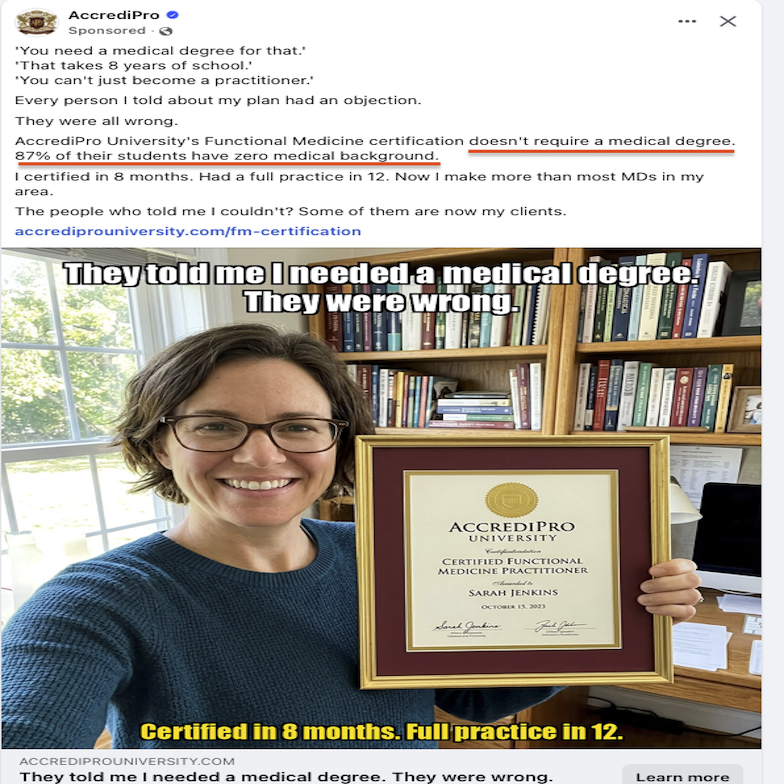
Many people turn to functional medicine because they’re told it looks at the whole person—not just isolated symptoms. The promise is “holistic care,” meaning everything in the body is connected and treated that way.
But in practice, that’s not always what happens.
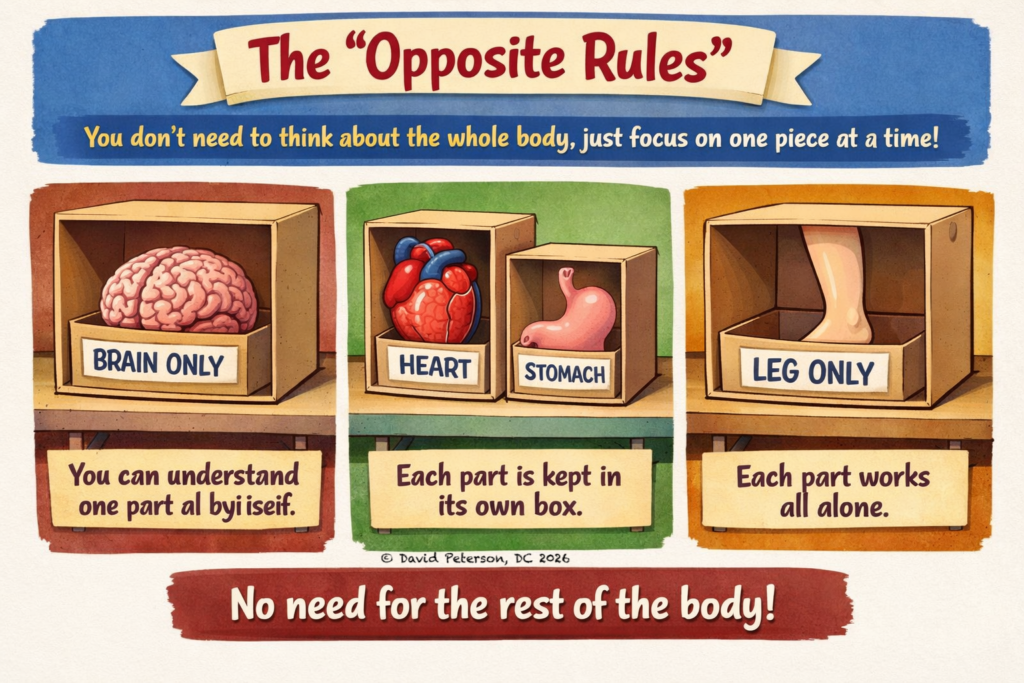
Even though functional medicine doctors often talk about root causes and whole-body health, they can still fall into the same pattern as conventional doctors: breaking the body into parts and focusing on one area at a time.
For example, a patient might be told:
- “Your hormones are off”
- “Your gut is the problem”
- “It’s your thyroid”
- “You have adrenal fatigue”
Each of these may be true in part—but they’re often treated like separate issues, in separate “boxes.”
So instead of asking:
“How are all these systems influencing each other?”
“Let’s fix this one system first.”
That’s compartmentalization.
- It just uses different language.
- Instead of prescriptions, it might be supplements.
- Instead of specialists, it might be “systems” like gut, hormones, or detox pathways.
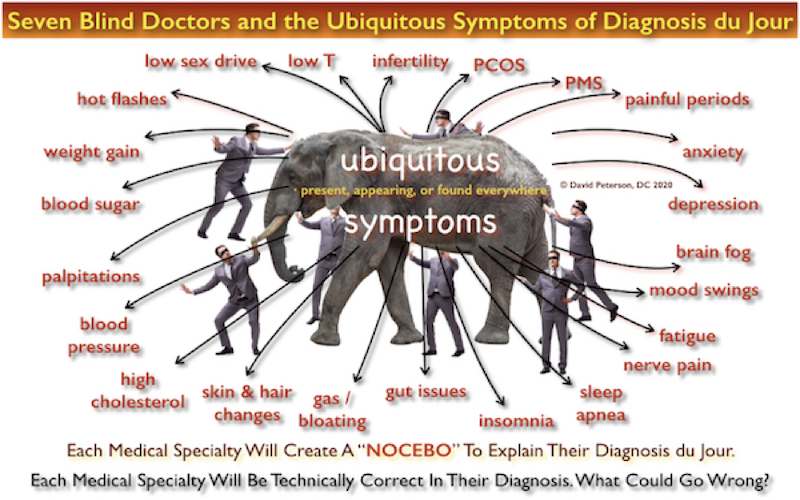
But the underlying mindset can still be the same:
- One problem → one solution
- One system → one protocol
The approach becomes:
A truly holistic approach would recognize that:
- The pancreas affects blood sugar
- Blood sugar affects hormones
- Hormones affect the thyroid
- The thyroid affects metabolism
- And all of it is happening at the same time, not in isolation
If you only treat one piece—like hormones—without addressing something like blood sugar regulation, you may never fully resolve the issue. You’re still chasing symptoms, just in a more “natural” way.
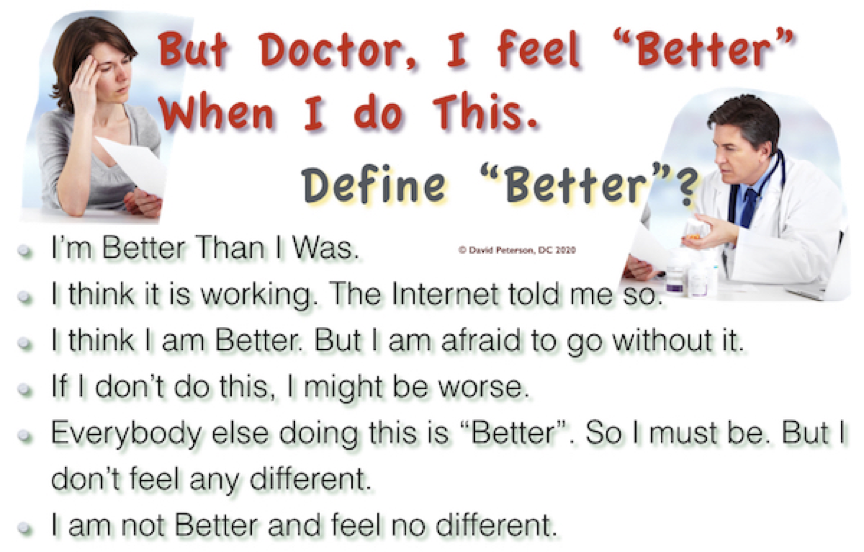
So the key takeaway is this:
Functional medicine can be holistic—but it isn’t automatically holistic just because it uses that label. The difference comes down to whether the practitioner truly connects all systems together, or simply swaps one set of compartments for another.
Bottom Line for Everyday People
Strength of functional medicine:
- It often digs deeper into “why” chronic problems happen and empowers lifestyle changes that conventional care sometimes overlooks. Many people feel heard and get real improvements.
Limitation:
- The “holistic” label can be more marketing than reality. It risks creating its own silos (gut experts vs. hormone experts) and expensive testing/treatment loops without always delivering the seamless, whole-life integration it promises.
Neither approach is perfect.
- The best care often combines the strengths of both: conventional medicine for accurate diagnosis and acute needs, plus thoughtful lifestyle/root-cause work for long-term health—while staying skeptical of hype on either side.
If you’re considering functional medicine, ask practitioners how they integrate beyond labs and supplements, and consider whether their approach truly addresses your full life story or just swaps one set of compartments for another. Always pair it with critical thinking and, when needed, conventional medical oversight.


